Solar Panel Factories Worldwide Upgraded to Fully Automatic Production Lines in 2021
Solar Panel Factories Worldwide Rushed to Upgrade Fully Automatic Production Lines in 2021
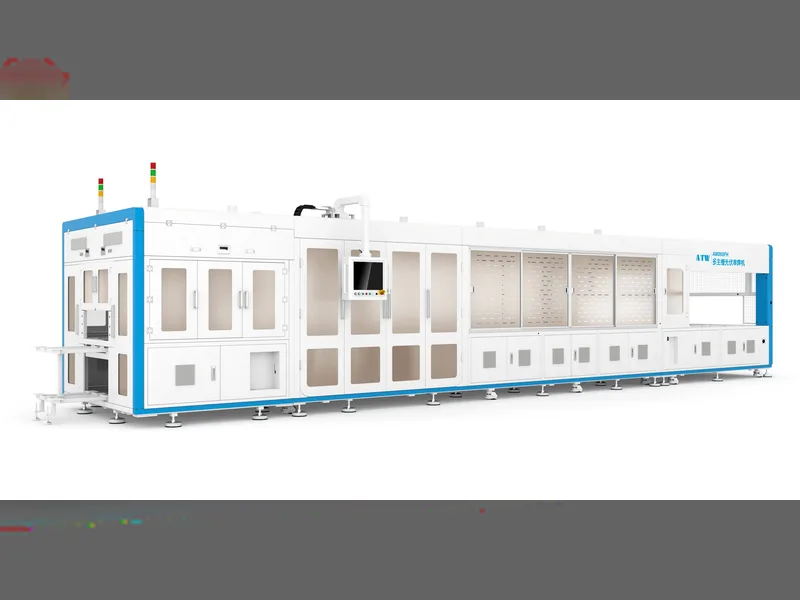
The year 2021 marked a significant turning point for the global solar module manufacturing industry. Traditional panel factories that had long relied on semi-automatic or manual equipment began upgrading their production lines to fully automatic systems at an unprecedented pace.
A Wave of Modernization Across Key Markets
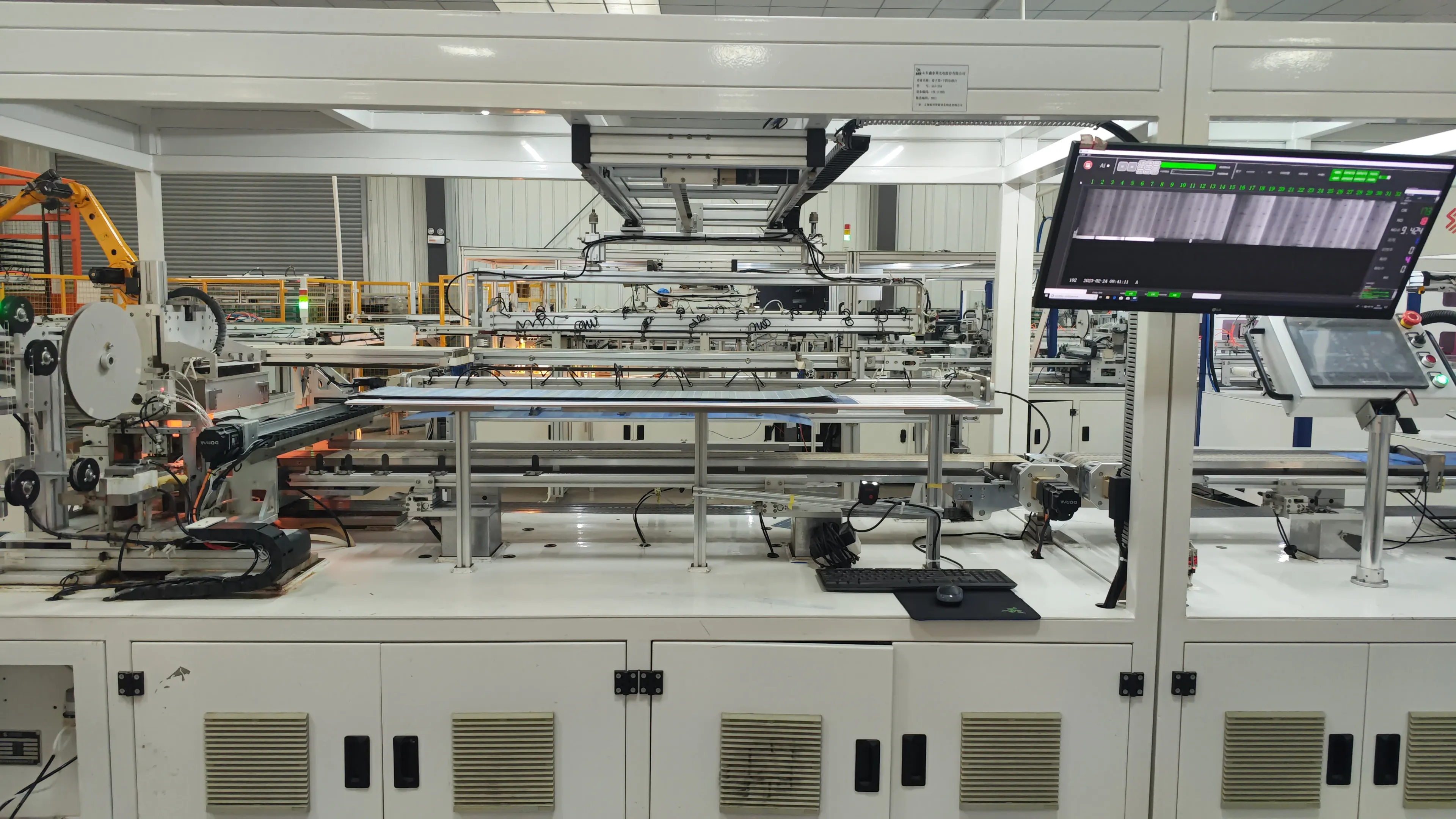
Factories in India, Turkey, South Korea and several other countries moved aggressively to replace outdated manual processes. The shift was driven by multiple factors — rising labor costs, increasing order volumes, and the need for higher consistency in module quality. Manual processes that once handled cell stringing, layup, bussing and framing were gradually replaced by integrated automatic machines capable of running with minimal human intervention.
Why 2021 Became the Tipping Point
Several industry trends converged to accelerate this transition. Global solar installations were booming, and downstream demand put pressure on manufacturers to increase throughput without sacrificing quality. MBB (multi-busbar) cell technology was becoming mainstream, which required more precise handling than older manual setups could reliably deliver. Factories that did not modernize risked falling behind competitors who could produce more modules at lower per-watt costs.
Regional Highlights
India — Several mid-size manufacturers upgraded from semi-auto lines to full-auto configurations to meet domestic policy targets and export demand.
Turkey — Turkish factories invested in new automatic tabber stringers and laminators to strengthen their position as a supply hub between Europe and the Middle East.
South Korea — Korean producers focused on high-efficiency module lines, integrating automatic EL testing and IV sorting to maintain premium product standards.
The 2021 upgrade wave set the stage for continued capacity expansion and technology adoption in the years that followed, reshaping the competitive landscape of global solar manufacturing.